Reader’s Note
Still the one.
by@margaretreadsWritten 22 November 2025Read 21 November 2025
"Where's Papa going with that axe?" I have said that sentence out loud to more children than I could count and it has never once failed. The whole book is in nine words: a child, a father, an axe, and something about to die.
I taught the same lesson with it for years, which wasn't a lesson at all, only a reading. Thursdays, third year, the small room by the boiler with the radiator that banged. A chapter a week, and by half term nobody was messing about.
What White does that almost nobody else does is refuse to soften the farm. Wilbur is going to be killed because that is what a spring pig is for; Charlotte is going to die because that is the length of a spider's life; the goose is a fool; the rat is a genuinely unpleasant piece of work who is never redeemed, and none of it has been arranged to teach you anything. Templeton is the real test. Any other children's writer would have handed him a moment of grace in the last third. White gives him a rotten egg and lets him stay exactly what he is.
The prose is the other matter. On paper he was the wrong man for the job, a magazine essayist, fussy about commas, and it turns out that fussiness about commas is precisely what a book for eight-year-olds requires. There isn't a limp sentence in it. The chapter that is nothing but weather and the fair emptying out is as good as anything in American writing, and it sits in the middle of a story about a pig.
I read it to a Year 4 class in 1994 and a boy called Dean, who had been removed from two other rooms that term, put his head on the desk when Charlotte died and would not lift it. Mr Sowerby was covering and started to say something brisk, and I stopped him. We sat until the bell. Dean came back at lunch and demanded, quite aggressively, to know whether it was true that spiders die like that, and I got the encyclopaedia down and showed him, and he said good, and left. He borrowed nothing else that year. I count it anyway.
Reservations, since I ought to have some. The Arable business at the end is thin, Fern wanders off and White knows she does, and the film has done real damage to how the last chapter gets remembered. It isn't sad in the way people remember it being sad. It's practical. Charlotte's children go, and three of them stay, and the barn carries on.
My card for this has nine dates on it, more than anything else in the index apart from Middlemarch. The earliest is 1966, in my own hand at eight, badly. Ruth finds the whole index hilarious and has asked what becomes of it when I die, which I thought a bit forward.
Ten. If there's a child of seven or eight in your life, read this to them out loud rather than handing it over. It wants a voice.
About this book
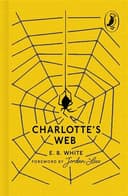 Charlotte's WebE. B. White
The Reading Room
More from @margaretreads
Siddhartha reviewed by @margaretreads
A slim one, and I never have known where to shelve it8 out of 10Siddhartha
The Haunting of Hill House reviewed by @margaretreads
That opening paragraph! Nothing else in it reaches that pitch again, and I say so as somebody who lent it out constantly. Eleanor is superb; the house is a bit of a set. I'd take Jackson's short stories over it, honestly.7 out of 10The Haunting of Hill House
Becoming reviewed by @margaretreads
The South Side chapters are the book. Everything after the second campaign reads as though a committee sat in on it, politely. I've reserved it twice for other people since, which is my only real measure of anything.7 out of 10Becoming